Technical Articles
Insights, Engineering, & Experiments.
Research-driven articles on semantic segmentation, object detection, architecture design, and deployment-aware engineering.

Why Your Segmentation Model Predicts Only Background
Root-cause analysis of foreground collapse, class imbalance, loss selection, and prediction diagnostics in segmentation systems.
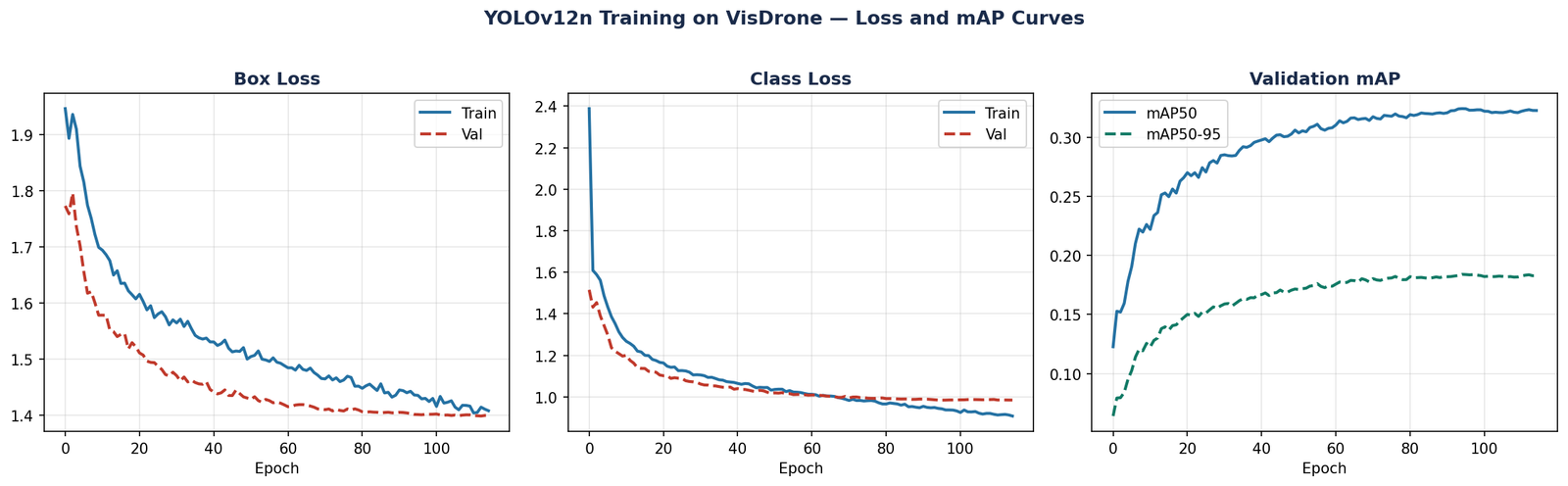
How to Train an Object Detection Model on a Custom Dataset
Practical decisions behind dataset setup, configuration, evaluation, and common failure points in detection experiments.
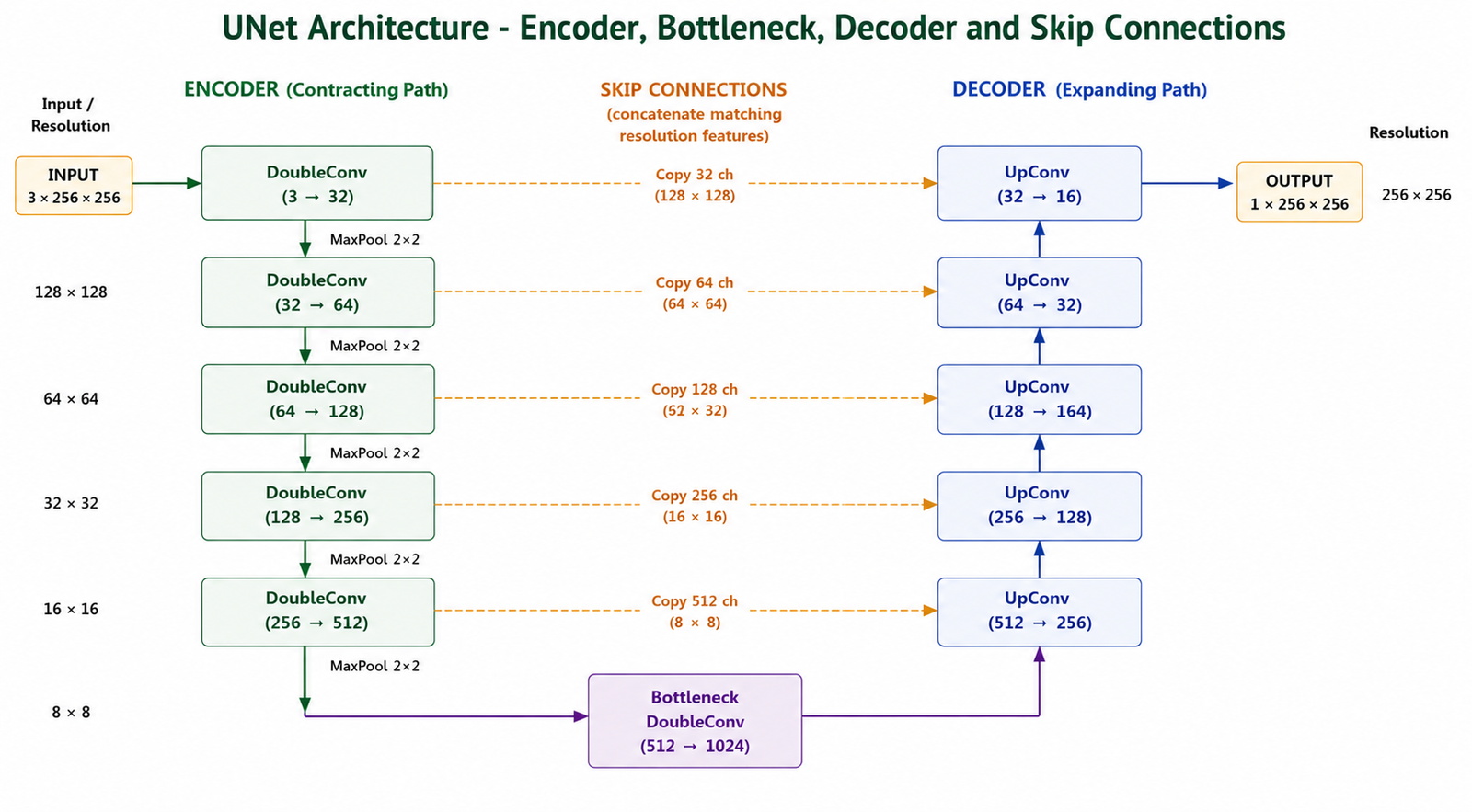
U-Net Explained Clearly With a Practical Training Example
Why U-Net is shaped the way it is, how skip connections solve the spatial precision problem, and what training on CVC-ClinicDB actually looks like across 100 epochs.

Common Mistakes in Object Detection Training That Kill Performance
Four training mistakes that are invisible in your loss curves — wrong annotations, harmful augmentation, misleading evaluation, and hidden overfitting with specific symptoms and fixes for each.

How to Handle Class Imbalance in Segmentation Models
Three loss function strategies — weighted cross-entropy, Dice, and focal loss — compared mathematically and experimentally on CVC-ClinicDB.
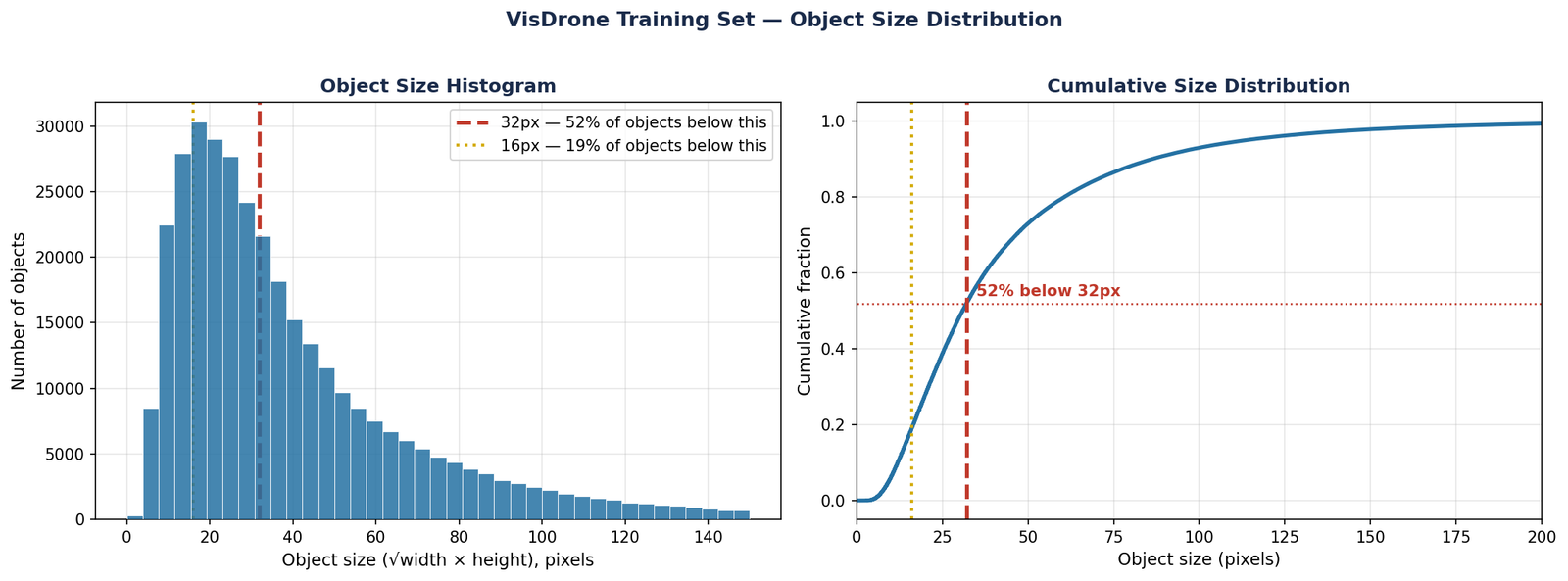
Improving Small Object Detection: Practical Strategies That Work
Three tested strategies — input resolution, model scale, and NMS threshold tuning — compared with real experimental results on VisDrone.
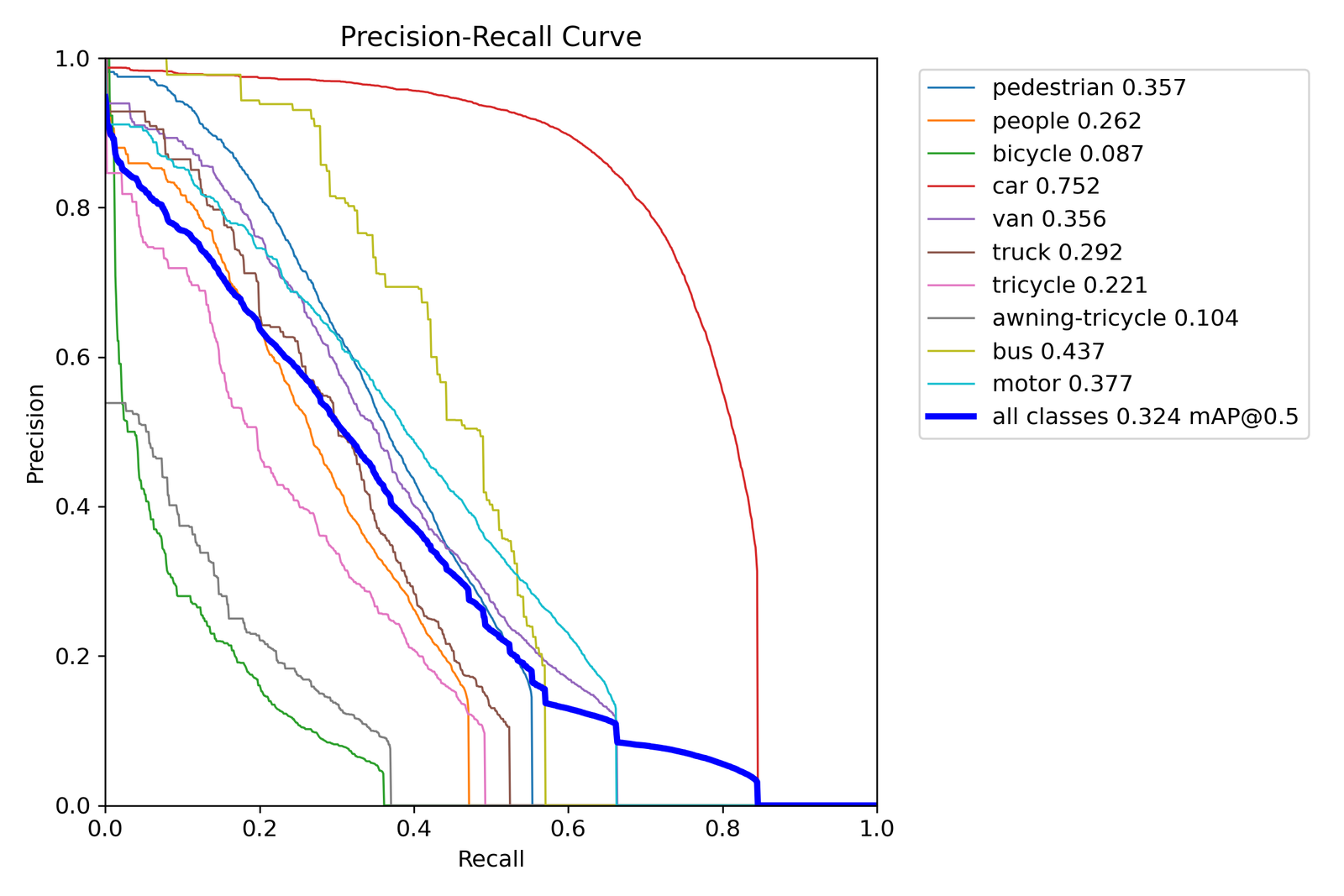
How to Evaluate Object Detection Models Properly
IoU, precision, recall, the PR curve, AP, mAP, and the confidence threshold — a complete evaluation pipeline using real results from VisDrone.

Understanding Segmentation Metrics: IoU, Dice, and mIoU
What IoU, Dice, and mIoU each capture, what mIoU hides at the per-class level, and which metric to report for your segmentation task.
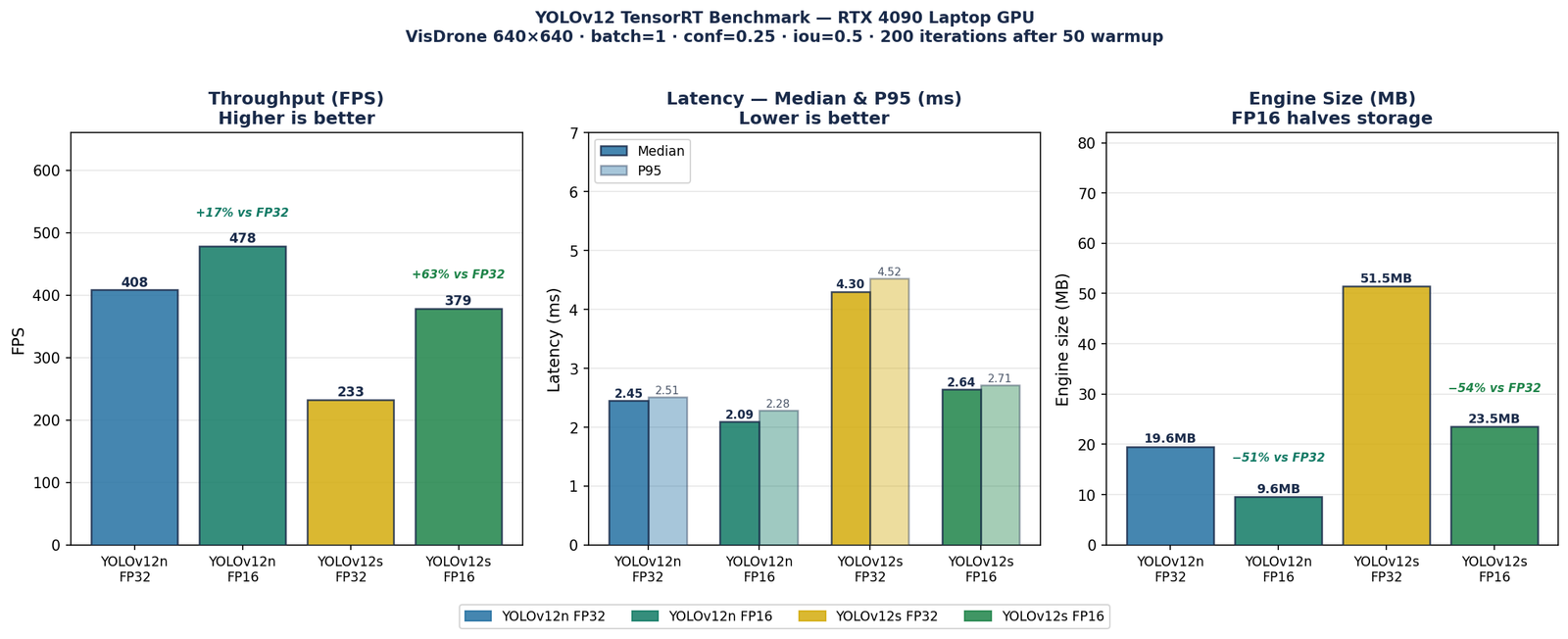
From Model Training to Deployment: What Most Tutorials Don't Tell You
Real TensorRT latency numbers on YOLOv12, the five questions to answer before deploying, and where detection and segmentation differ at the system level.

Why Your Detection Model Looks Good on Metrics but Fails in Practice
Four failure mechanisms that pass standard evaluation undetected — validation overfitting, dataset bias, metric misinterpretation, and the qualitative-quantitative gap.
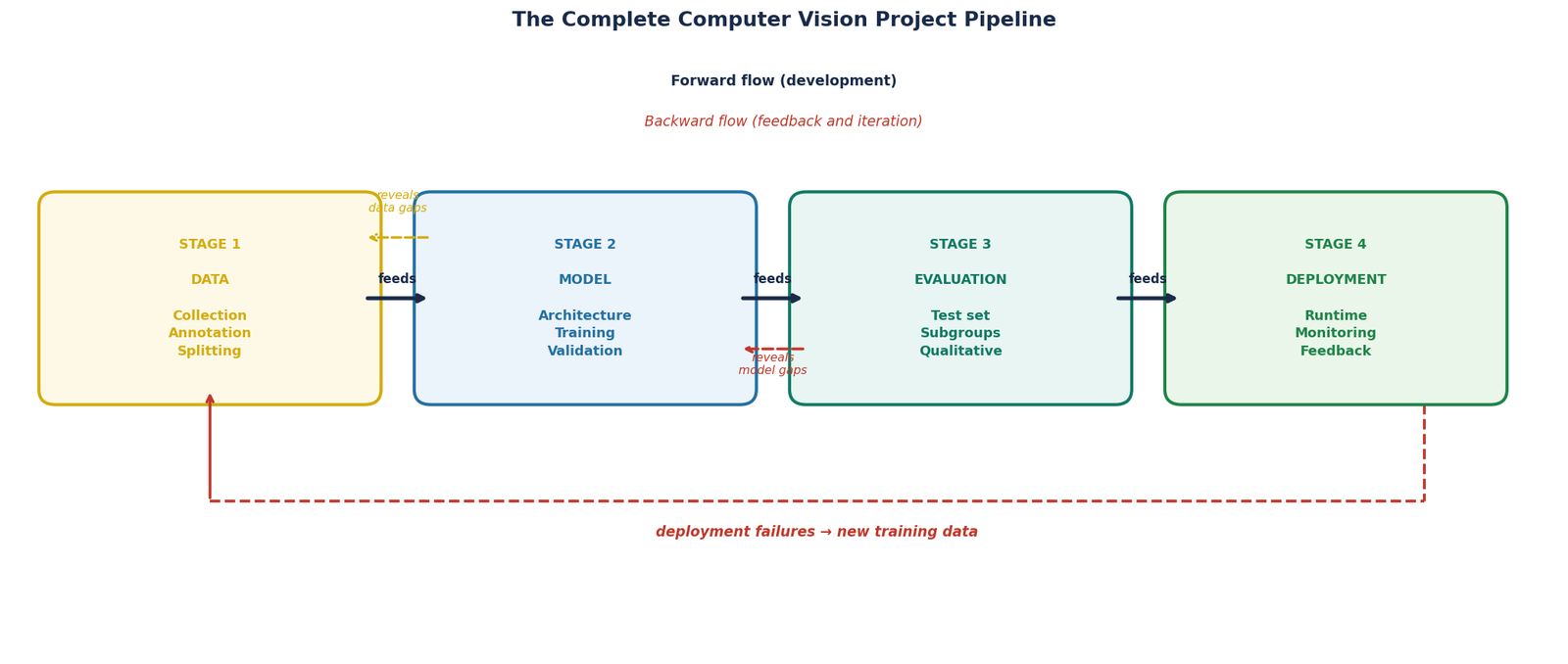
How to Build a Complete Computer Vision Project (Not Just Train a Model)
The complete four-stage pipeline — data, model, evaluation, deployment — and the decisions, checklists, and feedback loops that separate a trained model from a working system.

A Practical Workflow for Designing Better Detection and Segmentation Models
The four-step cycle behind publishable architecture improvements — identify the limitation, propose a targeted module, evaluate with a real ablation study, and iterate.
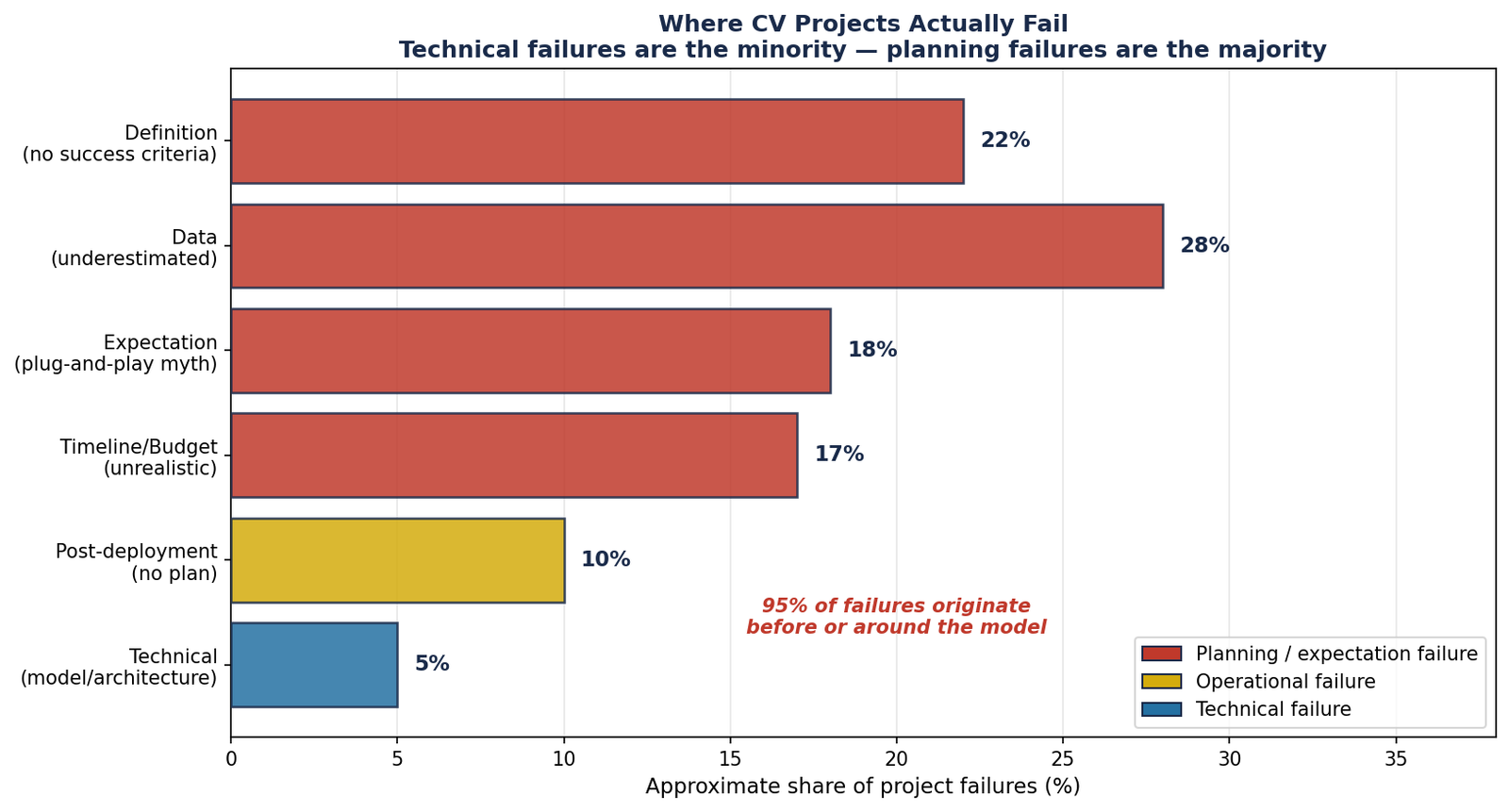
Why Most Computer Vision Projects Fail in Practice
Five preventable failure patterns that have nothing to do with the model — undefined success criteria, underestimated data work, the plug-and-play myth, unrealistic timelines, and no plan for after deployment.