Intelligent Transportation.
Computer vision for road scene understanding, traffic analysis, and transportation monitoring, supporting safer and smarter infrastructure through automated visual analysis.
Transportation environments are fast-moving, visually complex, and safety-critical. Automated vision systems detect vehicles, pedestrians, road markings, and hazard conditions from fixed cameras, dashcams, and roadside sensors, providing continuous monitoring without human operators. Lightweight architectures designed for edge deployment enable real-time scene analysis on in-vehicle hardware and roadside compute units, supporting applications from traffic management to road condition assessment.
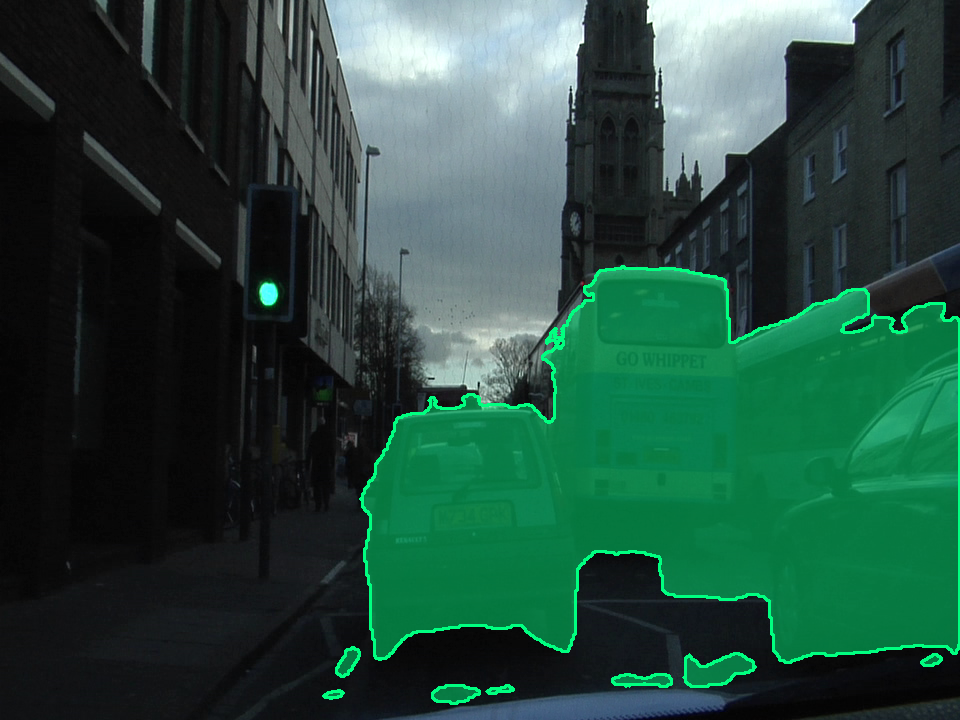

Object Detection
Detection of vehicles, road users, and objects of interest in real-time transportation monitoring and road scene analysis applications.
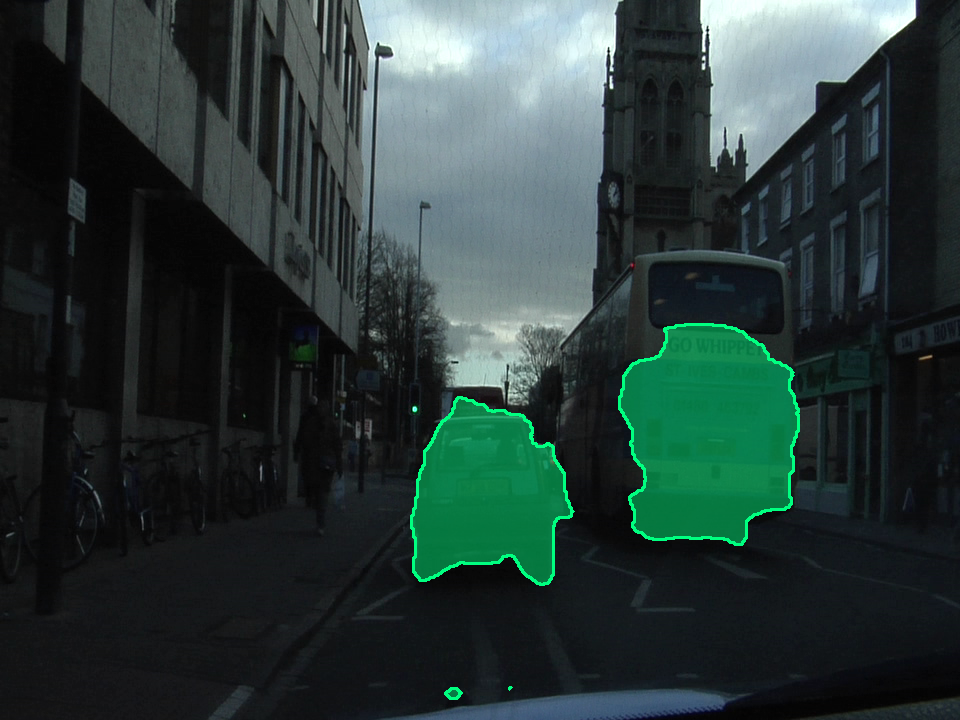
Semantic Segmentation
Pixel-wise labelling of road surfaces, lane markings, vehicles, and pedestrians, providing the dense scene understanding required for road condition assessment and autonomous vehicle perception pipelines.
Why Computer Vision Matters
in Intelligent Transportation.
01 — Monitor traffic continuously without human operators
Automated detection and scene analysis runs 24/7 across fixed camera networks, providing continuous coverage of junctions, motorways, and urban corridors without the staffing cost of manual video monitoring.
02 — Respond to incidents faster
Real-time detection of stopped vehicles, pedestrian incursions, and road hazards enables faster alert generation for traffic management centers, reducing the window between incident occurrence and operator response.
03 — Assess road condition at scale
Dense segmentation of road surfaces and markings from vehicle-mounted cameras provides structured condition data across entire road networks, supporting evidence-based maintenance planning without dedicated inspection campaigns.